




Most players think tilt begins with a bad beat. It does not. The bad beat is often just the moment you notice it.
Tilt usually starts earlier, in much smaller ways. It starts when you begin clicking faster than you should. When you stop counting combinations and start “feeling” that villain always has it. When you call because folding feels annoying. When losing to a weaker player bothers you more than it should. By the time someone is openly steaming, the damage often started twenty minutes earlier.
That is why tilt is so dangerous in online poker. The pace is faster, the volume is higher, and the emotional snowball builds quickly. One ugly river becomes three. One table becomes six. One frustrated call becomes a full orbit of bad decisions. A player who still looks calm can already be playing far below their normal level.
A common mistake is reducing tilt to anger. Yes, anger is one form of tilt. But so is fear. So is boredom. So is entitlement. So is overconfidence after a heater. Tilt is any emotional state that pushes you away from your best decision-making process. Sometimes it looks wild and aggressive. Sometimes it looks tight, scared, and passive.
The early signs are easier to spot than most players think. You start checking results too often. You mentally complain about runouts. You open tables or tournaments you did not plan to play. You call just to “see it.” You stop taking notes. You stop thinking in ranges and start thinking in revenge. That is tilt, even if you have not slammed your desk yet.
The fix is not pretending you are emotionless. The fix is building a reset you can actually use in real time.
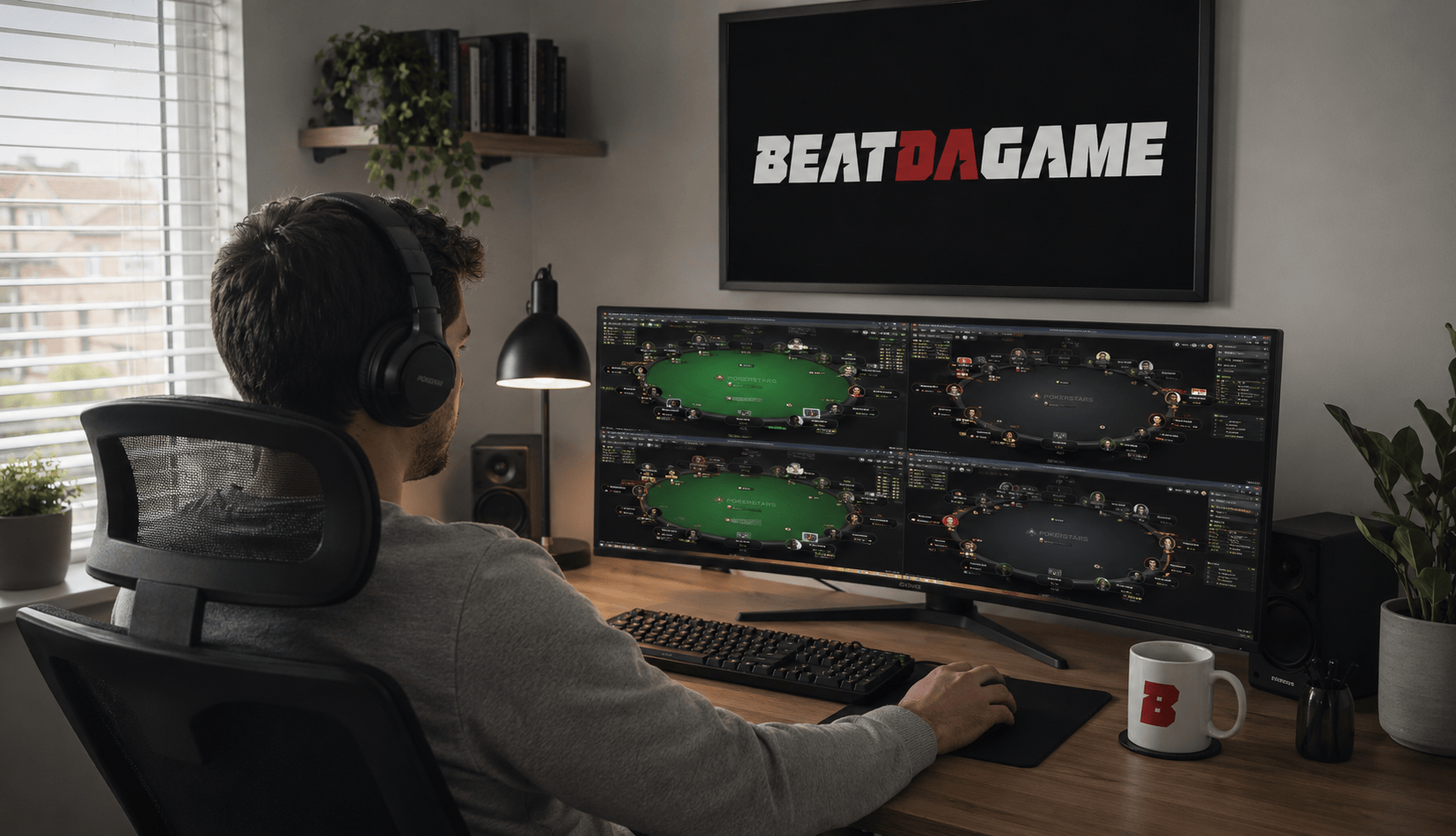
Start with something simple. The moment you feel your pace speeding up, slow the session down. Sit up. Take one full breath before every significant decision. Close anything on your screen that is not essential. If you are multi-tabling, reduce the number of tables for a while. Not forever, just long enough to get your process back.
Then name the trigger. Was it a bad beat? Fatigue? A weaker player stacking you? A missed final table? Naming it matters because vague frustration is harder to manage than a specific cause. “I am tilted” is not very useful. “I am annoyed because I lost two big flips in ten minutes and now I want to force action” is much more useful.
Next, tighten your standards in marginal spots for one orbit. This does not mean going into a shell. It means refusing to make close calls or low-quality bluffs while your mind is unstable. Your B-game tends to leak most in medium-equity, medium-confidence decisions. That is where the bleed starts.
What you should not do is chase. Do not jump stakes. Do not late reg random tournaments just because you are down. Do not try to win the session back in the next fifteen minutes. Poker does not care that you were supposed to be even by now.
Off the table, the solution is just as important. Study your emotional leaks the same way you study hand histories. What time of day do you tilt more? After how many hours? Against what type of opponent? After which result? Players love reviewing river spots, but many would improve faster by reviewing the moment their mindset changed.
Good players do not avoid tilt forever. They just catch it earlier, recover faster, and let it cost them fewer chips.