





Poker has never been played at a higher technical level, yet televising it has never felt like a bigger gamble.
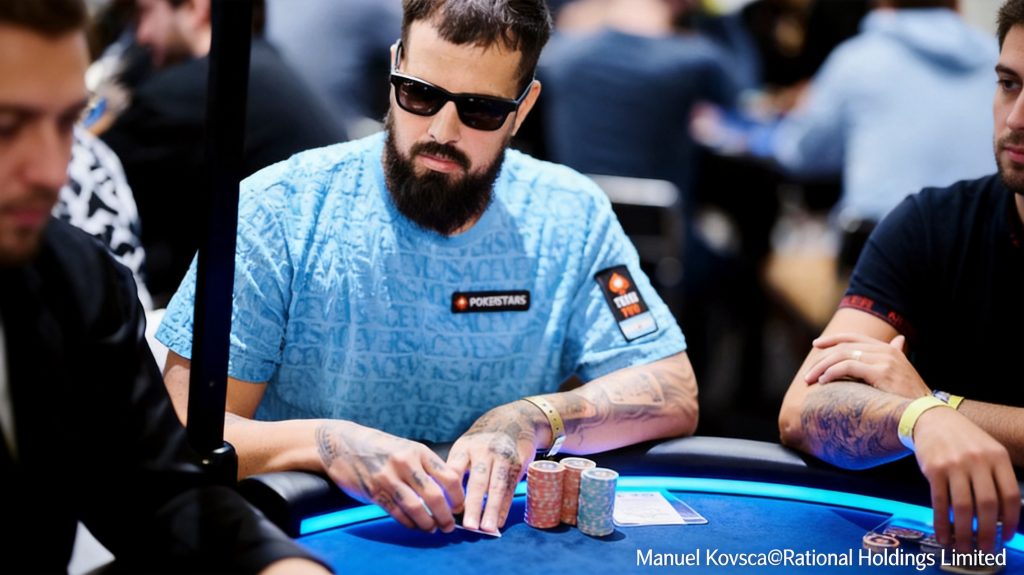
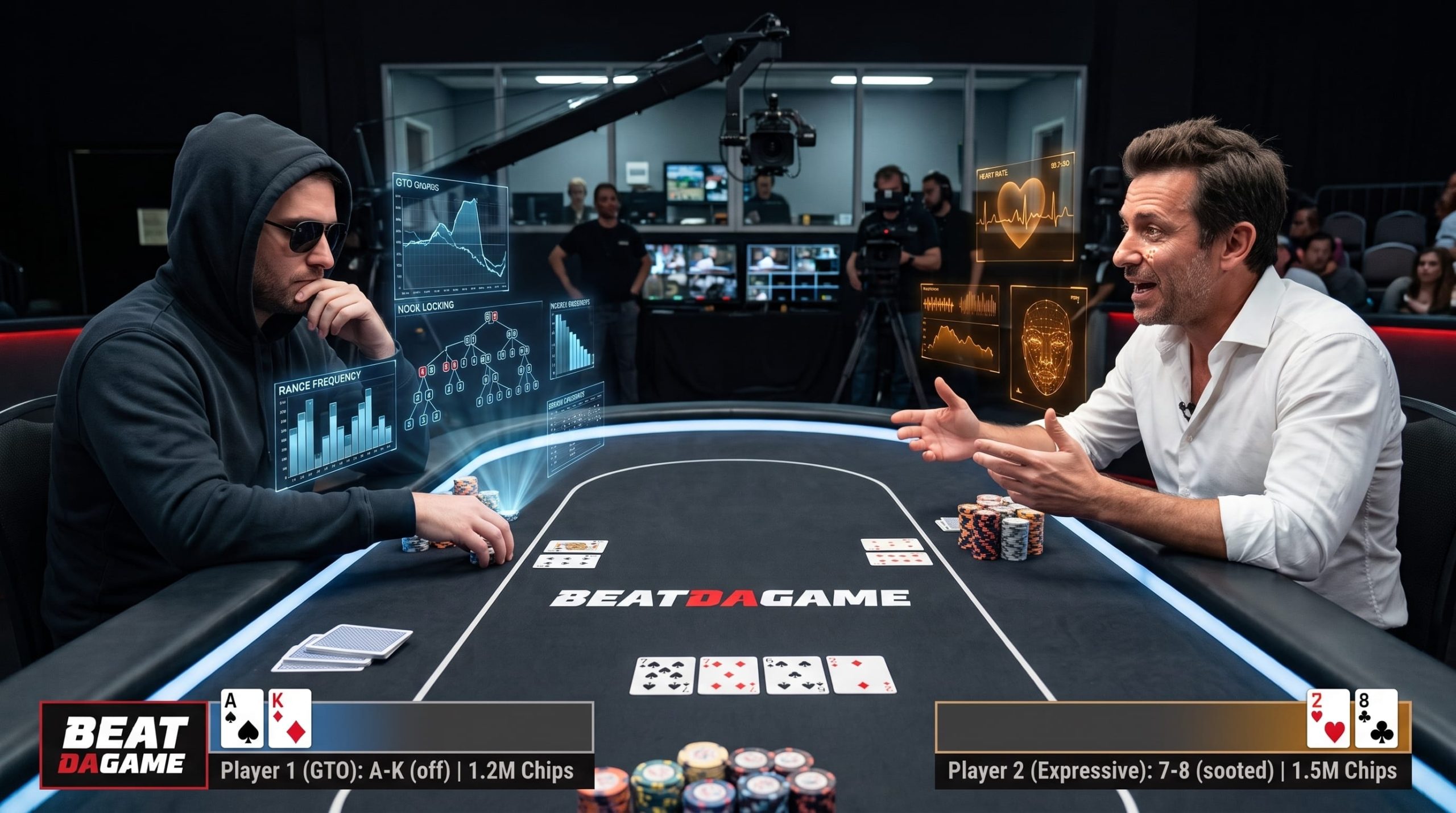
Step onto any modern final table stage and the shift is unmistakable: players buried in hoodies, silent stare-downs, and decisions driven by pure Game Theory Optimal (GTO) frequencies. Away from the felt, this revolution has produced some of the sharpest minds the game has ever seen. On screen, however, it has created an identity crisis for broadcasters trying to balance high-level strategy with mainstream entertainment.
The Information Problem
The heart of the issue lies in how information is delivered to the viewer. In the early days of televised poker, the hole-card camera introduced raw dramatic tension—the audience watched human beings wrestle with deceit, panic, and intuition under blinding lights. Today, broadcasts are often saturated with real-time equity meters, solver charts, and complex range breakdowns. While this data is invaluable for dedicated grinders, it can inadvertently strip away the emotional stakes. When a viewer is told immediately that a player has an 89% chance to win, an audacious river bluff loses its psychological weight and becomes a simple probability exercise.
What Other Sports Have Taught Us
Poker is not the first high-level pursuit to confront this divide. Formula 1 did not achieve mainstream popularity through the nuance of tire temperature modeling; it exploded when Drive to Survive highlighted the fierce human rivalries behind the helmets. Similarly, modern streaming chess thrived not because audiences understood top-tier computer engines, but because energetic commentators translated complex positions into relatable drama. In both cases, the lesson was identical: people connect with stories, personalities, and conflict far more than raw telemetry.
Bridging the Gap
Bridging this gap requires a hybrid approach. The future of poker media does not mean ignoring strategy, but presenting it with emotional context. That means commentary teams who can explain why a solver-approved hero call matters under ICM pressure without getting lost in technical jargon, alongside production models that use interactive overlays or tiered streams to give pros their data without alienating casual fans.
The Human Element
Ultimately, the poker economy depends on the recreational dreamers who watch a broadcast and feel inspired to sit at a table. Solvers will always remain the blueprint for winning behind closed doors, but on screen, poker survives on the tension, heartbreak, and triumph of the humans holding the cards.