




The Cold Math: Why Chip Leaders Hate Bursting Bubbles
To understand why a chip leader would ever want to keep an opponent alive with a single chip, you have to look at how tournament equity ($EV) functions near the money.
When the bubble is active, every chip in play is subject to extreme Independent Chip Model (ICM) pressure. This pressure does not affect everyone equally:
- The Micro-Stack: Has almost zero fold equity and must look for any opportunity to double up or ladder into the payouts.
- The Middle Stacks (15 to 35 BBs): Face astronomical ICM risk. Busting before the micro-stack means sacrificing thousands of dollars in guaranteed cash. Their ranges are held hostage.
- The Chip Leader: Holds absolute table leverage. Because the chip leader covers everyone, they can open virtually any two cards and threaten other players with immediate tournament elimination.
The moment the bubble bursts, that golden leverage instantly evaporates.
Once everyone is guaranteed a payout, the psychological and mathematical handcuffs come off the middle stacks. They no longer risk walking away with zero dollars. Pay jumps in the early cash stages are relatively flat, meaning medium stacks can suddenly shove wide, reshove over opens, and fight back aggressively against the chip leader.
By keeping the micro-stack alive for another orbit (or even two hands), the chip leader keeps the middle stacks frozen in place. Every blind stolen during that extended bubble period goes straight into the chip leader’s stack at almost zero risk.
The Hostage Game: How Middle Stacks Suffer
Consider what happens to a player with 25 big blinds when a micro-stack at the table has half a big blind remaining.
If the chip leader opens to 2.2x from the cutoff, a middle stack in the big blind holding Ace-Queen or Pocket Tens is in mathematical agony. In a standard cash game or post-bubble situation, this is an automatic three-bet or shove.
On the bubble with a dead micro-stack at the table, calling or jamming is financial suicide. If the middle stack shoves and runs into the chip leader’s top range, they bust in the worst possible spot: empty-handed, having watched a half-blind stack cash ahead of them.
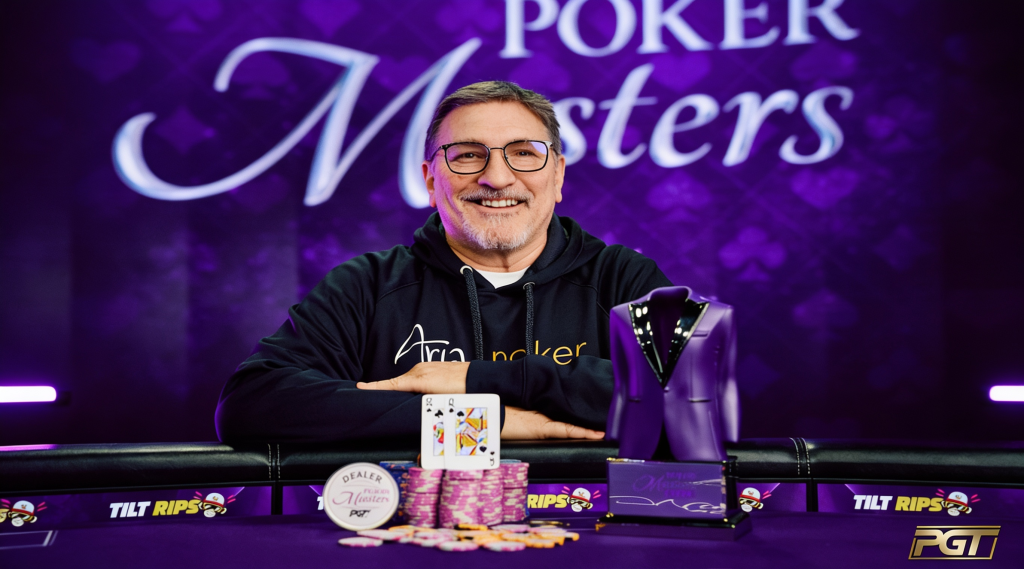
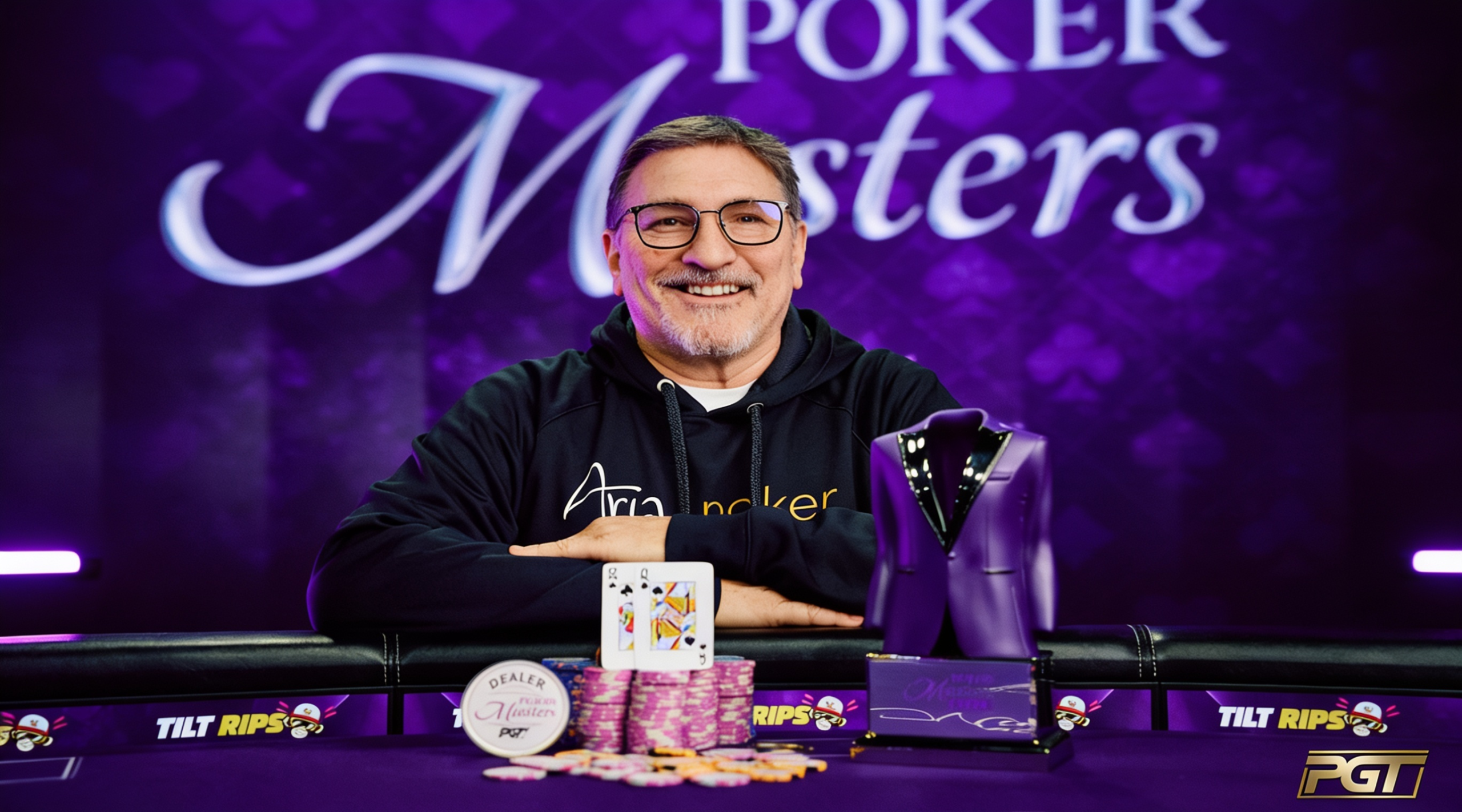
Deng understood this dynamic completely. By refusing to eliminate the micro-stack, he forced every single medium stack to surrender their blinds hand after hand.
Popping the bubble would have earned Deng a few thousand chips from the micro-stack. Keeping the bubble intact allowed him to harvest dozens of big blinds from the rest of the table uncontested.
Ethics vs. Game Theory: Where is the Line?
Krpan’s frustration during the Poker Masters broadcast reflects a traditional mindset that long dominated live poker: you play your hand, you eliminate opponents when you can, and you move the tournament forward.
From an entertainment and etiquette standpoint, stalling or deliberately manipulating action to drag out a bubble is unpopular. It tests the patience of floor staff, slows down the broadcast, and irritates competitors who simply want to lock up their payday.
From a game theory standpoint, however, poker is a zero-sum game of financial edges.
- There is no rule in tournament poker requiring a player to bet an amount that puts an opponent all-in.
- There is no rule stating a chip leader must call an all-in simply because the price is favorable.
- Tournament chips do not belong to the floor or the audience; they belong to the player who earned them.
If a legal strategic decision increases your equity while draining equity from your opponents, refusing to make that play out of politeness is effectively donating money to the table. Modern high-stakes poker is played for millions of dollars. Expecting players to prioritize table courtesy over five-figure equity shifts is completely unrealistic.
How to Defend When You Are Caught in the Middle
If you find yourself stuck at a tournament table where a ruthless chip leader is deliberately keeping the bubble alive, you cannot afford to play passively and let your stack dwindle.
Here is how you counter the squeeze:
- Tighten Your Calling Ranges, Not Your Shoving Ranges: Calling an open puts you at the mercy of post-flop leverage. If you enter a pot against the chip leader, do it as the aggressor with three-bet jams that force them to fold their junk opens.
- Target Other Medium Stacks: While the chip leader has leverage over you, you hold identical leverage over stacks slightly smaller than yours. Steal blinds from players who have more to lose from bubbling than you do.
- Do Not Shame the Player; Adapt to the Strategy: Getting visibly tilted like Krpan only hands more psychological control to the chip leader. Recognize the play for what it is: an ICM exploit that demands tighter preflop discipline and ice-cold decision-making.
The “One-Chip” debate proved that modern tournament poker has moved far beyond simple card-running. Understanding ICM is no longer just about knowing when to fold; it is about knowing how to weaponize other players’ survival instincts against them.